Technology is now part of almost every area of life. People depend on it for communication, entertainment, work, and information. While these tools make life easier, they have also created new concerns about privacy, influence, and personal freedom.
That is one reason stories about Christian dystopian and control systems continue to connect with readers. These novels explore what happens when technology moves beyond convenience and begins to shape how people think, behave, and believe.
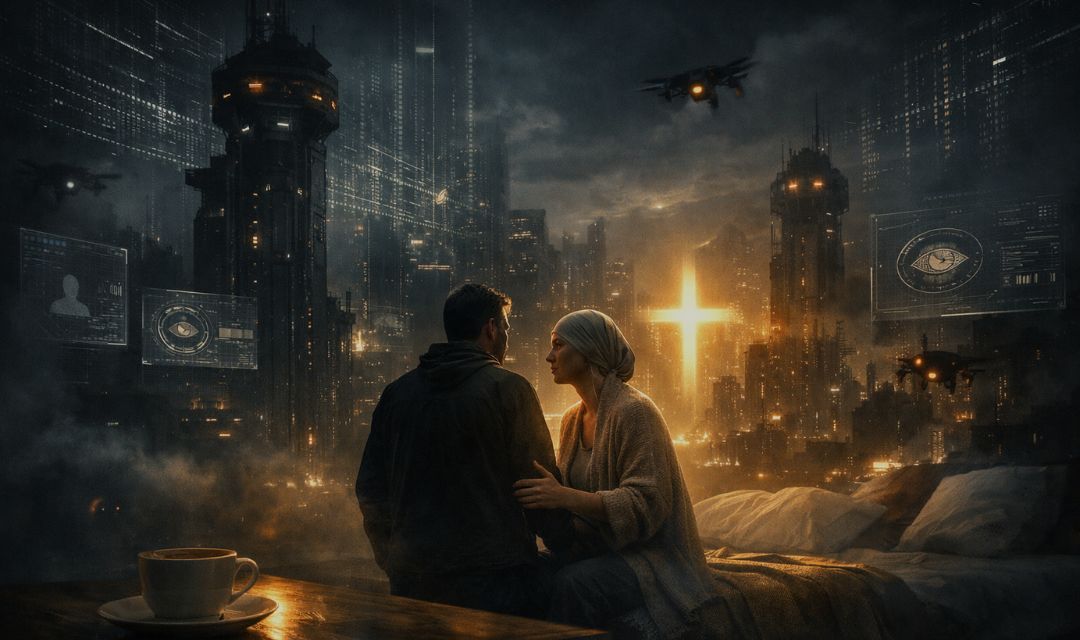
In this book, the world is controlled through a system known as the thought grid. It monitors people, influences thought patterns, and slowly disconnects society from truth and spiritual awareness. The story may be fictional, but many of its themes feel surprisingly close to modern life.
Why Control Systems Matter in Dystopian Fiction
Dystopian fiction often reflects fears that already exist in society. In the past, those fears usually focused on war, dictatorships, or censorship. Today, technology has become a major part of that conversation.
Modern control systems in dystopian fiction often center on surveillance, artificial intelligence, social pressure, and digital influence. Instead of controlling people only through force, these systems shape behavior quietly over time.
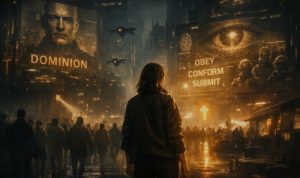
That idea appears clearly in this book. The Dominion not only punishes people physically. It also trains citizens to stop questioning authority. Independent thinking slowly disappears because the system rewards obedience and discourages curiosity.
This theme feels familiar because many people already wonder how much technology influences their opinions, choices, and daily habits.
More Than Technology
What makes the novel different from standard science fiction is its focus on the spiritual side of control.
The thought grid is not only about monitoring behavior. It also weakens spiritual awareness. People lose their sense of purpose, truth, and connection to something greater than the system around them.
This is one reason Christian dystopian fiction about technology stands out. The story is not simply asking whether technology is dangerous. It is asking what happens when people lose the freedom to think, believe, and choose for themselves.
The novel suggests that true control begins internally. Once fear and dependence shape the mind, people become easier to manipulate.
That message gives the story emotional depth because it focuses on the human condition rather than technology alone.
Spiritual Themes That Feel Real
Many science fiction stories focus mainly on futuristic settings, action, or advanced machines. Christian fiction often adds deeper questions about morality, conscience, and faith.
Spiritual themes in science fiction novels usually explore ideas like truth, sacrifice, identity, and hope. In this book, those themes appear naturally through the characters and the choices they make.
The resistance movement is not only fighting against a political system. They are trying to protect human freedom at its core. The story repeatedly shows how fear can slowly weaken people emotionally and spiritually if they stop questioning the systems around them.
That emotional struggle is what makes the novel feel relatable. Readers are not just watching a battle between heroes and villains. They are watching ordinary people wrestle with fear, doubt, guilt, and courage.
Technology and Human Freedom
Discussions about artificial intelligence and digital influence are becoming more common every year. People want convenience, but they also worry about losing privacy and independence.
That is why Christian perspectives on AI and freedom feel increasingly relevant. Stories like Sealed for the Lamb by Marty Gool explore these concerns through fiction while still focusing on human emotion and moral choice.
The novel shows how technology can become harmful when it replaces conscience and personal responsibility. The Dominion’s system promises safety and order, but it slowly removes individuality in the process.
Readers can easily connect this idea to real conversations happening today about surveillance, algorithms, and online influence.
Why Readers Connect with These Stories
Many readers are drawn to Christian novels about digital surveillance because they reflect real fears believably. People already feel pressure to follow trends, avoid conflict, or stay silent about personal beliefs.
Dystopian fiction turns those concerns into stories that feel more visible and immediate. It gives readers space to think about freedom, truth, and identity through fictional characters and situations.
In this book, some of the strongest moments come from simple acts of resistance. Characters choose honesty over fear. They continue holding onto the truth even when the cost becomes painful.
Those quiet moments often feel more powerful than the larger action scenes because they reflect everyday human struggles.
The story also connects naturally with ideas found in free will in Christian dystopian fiction, especially the belief that real freedom starts within the human mind and soul before it ever appears visibly.
Why These Themes Continue to Matter
Technology will continue changing society, and people will continue asking difficult questions about freedom, truth, and control. That is why dystopian fiction remains popular across generations.
Christian dystopian fiction stands out because it does more than warn about political systems or dangerous technology. It also explores the spiritual side of human freedom.
Sealed for the Lamb reminds readers that people do not lose freedom all at once. Often, it fades slowly through fear, distraction, dependence, and silence.
At the same time, the story offers hope. It shows that truth, conscience, and faith still matter, even in dark and controlled environments.
Final Thoughts
The thought grid and the human soul explore a future where technology shapes nearly every part of life, including thought and belief. But beneath the futuristic setting, the story is really about human freedom and spiritual identity.
That is what makes it meaningful beyond its dystopian setting. It reminds readers that protecting the human soul is just as important as protecting physical freedom.
In a world increasingly shaped by digital systems, that message feels more relevant than ever.