Most dystopian stories focus on rebellion. There is usually a corrupt government, a resistance movement, and a fight for survival. But in Christian dystopian fiction, the deeper conflict is often about something else entirely: free will.
That idea sits at the heart of Sealed for the Lamb by Marty Gool. The novel presents a future in which people are not only controlled by technology and fear but also slowly disconnected from truth, conscience, and spiritual awareness. The real battle is not just political. It is deeply personal and spiritual.
The story raises an important question: Why do oppressive systems fear free-thinking people more than open rebellion?
Why Free Will Is So Dangerous to Tyranny
A government can fight protests. It can punish resistance. But free will is harder to control because it starts inside the human mind and heart.
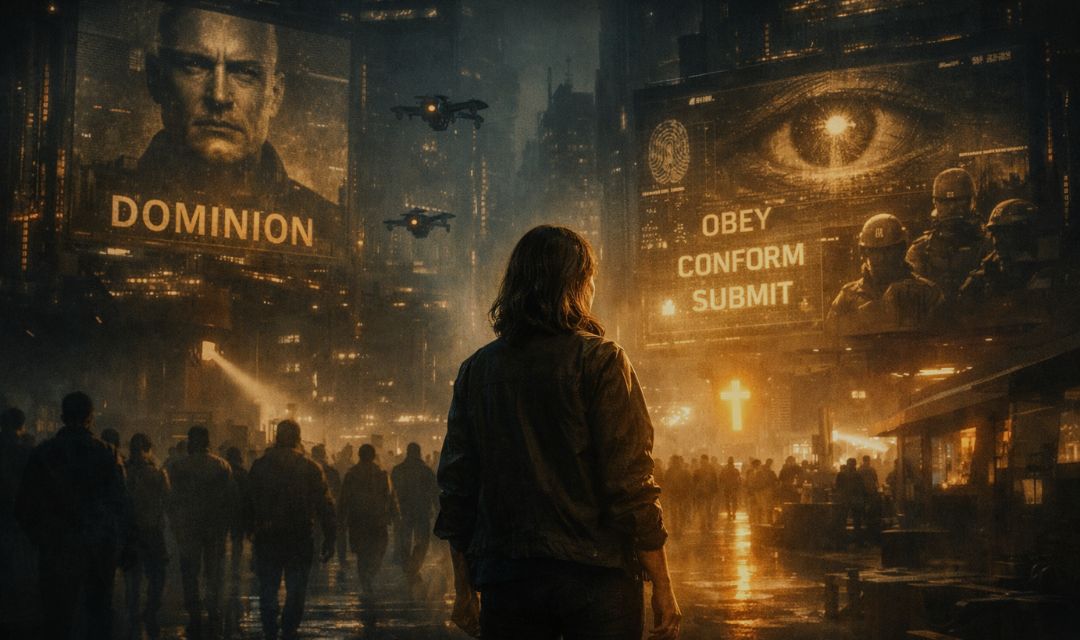
In this book, the Dominion works to shape how people think, what they believe, and even how they see reality. Citizens are taught to trust the system completely. Over time, many lose the ability to question anything around them.
That is what makes free will such a powerful theme in Christian dystopian fiction. The danger is not only physical control. It is the slow loss of independent thought and spiritual identity.
The novel shows that once people stop questioning authority, control becomes easier to maintain. Fear replaces truth. Comfort replaces conviction. And eventually, people accept things they once would have resisted.
More Than a Political Battle
What makes this story stand out is that the conflict goes beyond politics or technology. The struggle is spiritual.
The Dominion’s system is designed to cut people off from deeper truth and moral awareness. People become easier to manipulate because they no longer recognize what freedom truly means.
This connects strongly with themes often found in spiritual warfare in dystopian novels. Evil is not always shown through violence alone. Sometimes it appears through deception, distraction, emotional control, or the promise of safety in exchange for obedience.
That idea feels surprisingly relevant today. Many people already feel overwhelmed by constant noise, pressure, and digital influence. The novel takes those concerns and pushes them into a futuristic setting that feels believable without losing its spiritual message.
Faith Versus Control
One of the strongest parts of the story is the ongoing tension between faith and tyranny.
The Dominion wants total loyalty. Independent faith becomes a threat because faith reminds people that there is a higher authority beyond human power. That belief gives people courage, purpose, and the strength to resist fear.
This is why faith vs tyranny in fiction continues to connect with readers. The struggle is easy to understand because it reflects real human experience. Throughout history, oppressive systems have often feared people who refuse to compromise their beliefs.
In the novel, resistance is not always dramatic. Sometimes it appears in small choices. Characters hold onto truth even when it costs them comfort, safety, or relationships. Those quiet moments often become the most powerful parts of the story.
The Human Side of the Story
Another reason the novel works well is that the characters feel human. They struggle with doubt, fear, grief, and guilt. No one is fearless all the time.
Elara, the central character, understands the Dominion from the inside because she once helped build parts of the system. That creates emotional tension throughout the story. She is not simply fighting an enemy. She is also facing the consequences of her own past choices.
That personal conflict gives the story emotional weight. Readers are not just watching a battle between good and evil. They are watching people wrestle with conscience, responsibility, and hope.
This is one reason Christian sci-fi about human freedom continues to grow in popularity. Readers want stories that feel exciting but still grounded in meaningful human struggles.
Why Spiritual Resistance Matters
The idea of spiritual resistance in modern fiction has become more relevant because many people feel pressure to conform in everyday life. Whether it comes from culture, media, technology, or social expectations, there is often fear around speaking honestly or thinking differently.
Dystopian fiction reflects those concerns in a more visible way. It allows readers to explore questions about freedom, truth, and identity through story.
In Sealed for the Lamb, resistance is not only about defeating a system. It is about protecting the soul from becoming numb, passive, or disconnected from truth.
The novel repeatedly shows that real freedom begins internally. Once people recover the ability to think clearly and choose truth for themselves, fear starts losing its power.
Why These Themes Stay with Readers
Many futuristic stories focus heavily on technology, action, or disaster. While those elements exist here too, the deeper message is what makes the story memorable.
The dystopian fiction book explores Christian themes in futuristic fiction without making the message feel forced. Instead, the spiritual ideas grow naturally through the choices the characters make and the world they live in.
Readers are left thinking about questions that matter outside the story itself:
- What happens when people give up freedom for comfort?
- Can technology slowly shape human values?
- What does it mean to stay spiritually awake in a controlled society?
- How do ordinary people resist systems built on fear?
These are the kinds of themes that continue to make dystopian fiction meaningful across generations.
For readers who want to explore similar ideas further, Beginner’s Guide to Spiritual Warfare can also help provide helpful context around the spiritual struggles often reflected in stories like this.
Final Thoughts
At its core, this book is not just about rebellion against a powerful system. It is about the fight to remain fully human in a world built on control.
Tyranny fears free will because free-thinking people are difficult to manipulate. Once people begin questioning fear, searching for truth, and holding onto faith, systems built on control begin to weaken.
That is what gives the story its emotional and spiritual weight. The greatest act of resistance is not always violence or revolution. Sometimes it is simply refusing to surrender your conscience, your humanity, and your freedom to choose what is true.